


-

Add: HeBei ShengShi HongBang Cellulose Technology CO.,LTD.
-

Email
13180486930@163.com -

CONTACT US
+86 13180486930



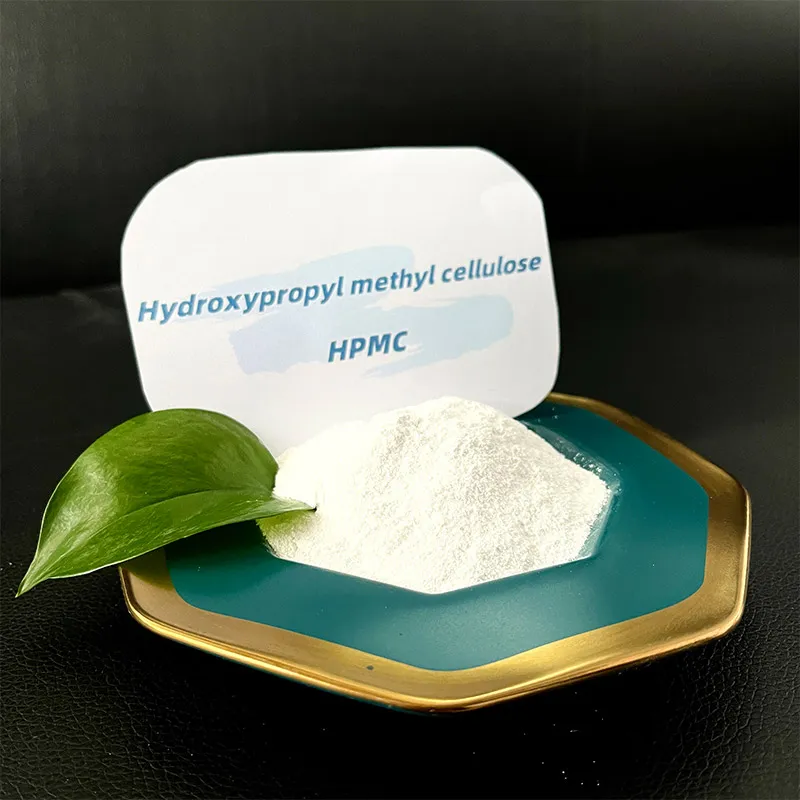
When it comes to pharmaceutical excipients, one of the highly essential components is Hypromellose, also known under the CAS number HPMC 2910. This versatile polymer plays a crucial role in the formulation of various medical and food products, highlighting its remarkable functionality and reliability in the industry. HPMC 2910, known for its unique characteristics, is a testament to the continuous advancement in material science that caters to modern-day pharmaceutical needs. Drawing from extensive industry experience, manufacturers value HPMC 2910 for its multifunctionality . Predominantly, it serves as a binder, controlled-release agent, and even as a thickener or stabilizer in liquid formulations. Its capability to modify the viscosity of compounds makes it indispensable in ensuring the consistent efficacy and delivery of active ingredients. In-depth studies showcase the superior binding properties of HPMC 2910, facilitating the production of stable and uniform tablets that disintegrate appropriately once ingested. Professionals in the pharmaceutical field often emphasize its adaptability in various formulations, making it a gold standard among excipients. Expertise in utilizing HPMC 2910 lies in understanding its physicochemical properties, which include excellent film-forming ability and significant pH tolerance. These properties are pivotal when creating coatings for tablets that must withstand the acidic environment of the stomach while ensuring targeted release in the intestines. The authority of HPMC 2910 in pharmaceutical applications is underscored by its compliance with major pharmacopeias globally, such as the USP, EP, and JP. This compliance ensures its quality and safety, reinforced by numerous regulatory bodies. The consistent performance and quality standards maintain its authoritative status among formulators who require dependability in their components. hpmc 2910 Trust in HPMC 2910 is further enhanced by empirical evidence and real-world application success. Studies have recorded its non-toxic, hypoallergenic nature, making it a safe choice for a wide range of therapeutic and dietary applications. Its inert properties do not react with other active ingredients, preserving the stability and potency of medications. Trusted professionals in the industry reiterate HPMC's utility not only because of its efficacy but also due to its stability in long-term storage conditions. In addition, practitioners often highlight its environmental sustainability compared to synthetic alternatives. HPMC 2910 is derived from cellulose, a renewable resource, aligning with the growing demand for environmentally responsible excipients in pharmaceutical manufacturing. The ethical production and sourcing of HPMC 2910 further establish its credibility and acceptance in the market focused on sustainable practices. Ultimately, incorporating HPMC 2910 into formulations exemplifies the blend of experience, expertise, authoritativeness, and trustworthiness. These four pillars not only define its widespread use but also reflect the reliability required by pharmaceutical companies to meet the rigorous demands of healthcare provision. The continuous innovation and adaptability of HPMC 2910 make it a cornerstone excipient for future pharmaceutical advancements, strengthening its standing as a foremost element in product formulation.
- 40000tons

Production
- 20+years

Experience
- 5000+㎡

Acreage

-
Rubber powder is a valuable material derived from the recycling of used tires and rubber products. Its transformation into fine particles creates a versatile product with a wide range of applications. One of the most notable advantages of rubber powder is its sustainability. By recycling old rubber, it reduces the environmental impact of tire waste and repurposes it for practical use in various industries. The use of rubber powder spans multiple sectors, including construction, automotive, and sports industries. It is commonly used as an additive in asphalt for road construction, offering increased durability and performance. Additionally, rubber powder is used in playground surfacing, providing a soft, shock-absorbing surface that is safe for children. Its durability and cushioning properties make it an essential material for improving the safety and longevity of various surfaces. As environmental concerns continue to rise, the demand for rubber powder has increased, as it provides a solution to managing rubber waste while offering benefits to different industries. The application of rubber powder is not only eco-friendly but also cost-effective, making it a preferred choice for manufacturers looking for sustainable materials. China Factory Rubber Powder: A Leading Supplier for Global Markets When it comes to sourcing high-quality rubber powder , China remains one of the largest and most efficient producers. The China factory rubber powder industry has grown rapidly due to its advanced recycling technologies and production capabilities. These factories are equipped with state-of-the-art machinery and processes that allow them to produce rubber powder in various grades and specifications to meet the diverse needs of international markets. The China factory rubber powder offers competitive pricing, making it an attractive option for businesses around the world. The ability to produce large quantities at low costs helps drive down the price of rubber powder , which benefits industries that rely on this material for production. China’s factories also have a well-established supply chain, ensuring that rubber powder can be delivered to customers in a timely manner. Moreover, Chinese manufacturers often provide customization options for rubber powder , allowing customers to specify the size, texture, and composition of the powder to suit their unique requirements. This flexibility makes China a go-to destination for businesses looking to source high-quality rubber powder at a competitive price. Rubber Powder Grinding Machine: Key to Efficient Production The production of rubber powder relies heavily on the use of a rubber powder grinding machine , which helps break down larger pieces of rubber into fine particles. These machines play a critical role in ensuring that the rubber is processed to the required consistency for various applications. Whether the powder is to be used in construction materials, coatings, or automotive products, the rubber powder grinding machine ensures that the end product meets quality standards. The rubber powder grinding machine uses advanced grinding techniques to process scrap rubber efficiently. These machines are designed to handle large volumes of material while producing consistent, fine rubber powder. Some models even incorporate air-flow or cryogenic grinding methods, which help preserve the integrity of the rubber and improve the quality of the final product. In addition to the grinding capabilities, the rubber powder grinding machine is built for durability and longevity, reducing the need for frequent maintenance. This is especially important for large-scale operations where continuous production is required. The machine also offers a high level of control over particle size and texture, making it ideal for producing rubber powder that meets specific industry needs. Recycled Rubber Powder Price: Affordable and Sustainable The recycled rubber powder price is one of the most attractive aspects of this material, especially when compared to the cost of virgin rubber or other raw materials. The price of recycled rubber powder is influenced by factors such as the quality of the rubber, the type of processing used, and the scale of production. However, despite these variables, recycled rubber powder price remains relatively affordable, particularly when purchased in bulk. The affordability of recycled rubber powder makes it an ideal choice for industries looking to reduce costs while maintaining high-quality standards. For example, in the construction sector, recycled rubber powder can be mixed with other materials to produce durable and cost-effective asphalt for roads. In sports applications, it is used for synthetic turf, track surfaces, and safety mats, providing excellent performance at a lower cost than alternative materials. Additionally, as the demand for sustainable products grows, the recycled rubber powder price has become even more competitive, with producers offering bulk discounts and incentives for large orders. Businesses looking to incorporate more eco-friendly materials into their products can benefit from the cost-effective nature of recycled rubber powder , while also contributing to the reduction of rubber waste. Uses of Crumb Rubber Powder: An Essential Material for Multiple Applications The uses of crumb rubber powder are incredibly diverse, making it a valuable commodity for several industries. One of the most popular uses of crumb rubber powder is in the creation of rubberized asphalt for road construction. This type of asphalt is more durable and resistant to wear, making it ideal for high-traffic areas. The inclusion of crumb rubber powder in asphalt also improves its ability to withstand extreme temperatures, reducing the need for frequent maintenance and repairs. Another common application of crumb rubber powder is in playground and sports surface construction. The powder is used to create shock-absorbing surfaces that reduce the risk of injuries during play or athletic activities. In addition, crumb rubber powder is used in the production of synthetic turf, creating a more durable and long-lasting product that mimics the look and feel of natural grass. In the automotive industry, crumb rubber powder is used as a component in tires, where it helps to enhance durability and performance. Additionally, it can be found in various rubber-based products, such as mats, seals, and gaskets, where it adds strength and resilience. As the demand for eco-friendly materials continues to grow, the uses of crumb rubber powder will only expand, offering a sustainable solution to industries that rely on rubber products. China F actory R ubber P owder FAQs What is rubber powder? Rubber powder is a fine material made from recycled rubber, often derived from used tires. It is processed into small particles and used in various applications, including construction, automotive, and sports industries. Where can I buy China factory rubber powder? You can buy high-quality China factory rubber powder from a wide range of suppliers online. Many suppliers offer customization options, allowing you to choose the specific size and composition of the powder you need for your project. What is a rubber powder grinding machine? A rubber powder grinding machine is a piece of equipment designed to break down larger pieces of rubber into fine particles. It plays a crucial role in ensuring that the rubber is processed to the desired consistency for various applications. How much does recycled rubber powder cost? The recycled rubber powder price varies depending on factors such as quality, processing methods, and order volume. However, it is generally considered an affordable material, especially when purchased in bulk. What are the uses of crumb rubber powder? The uses of crumb rubber powder are diverse, including applications in asphalt for road construction, playground and sports surfaces, automotive products, and synthetic turf. It provides durability, shock absorption, and enhanced performance in these industries. For more information or to order rubber powder for your projects, visit our website today and explore the wide range of products we offer.
-
Rubber powder is a valuable material derived from the recycling of used tires and rubber products. Its transformation into fine particles creates a versatile product with a wide range of applications. One of the most notable advantages of rubber powder is its sustainability. By recycling old rubber, it reduces the environmental impact of tire waste and repurposes it for practical use in various industries. The use of rubber powder spans multiple sectors, including construction, automotive, and sports industries. It is commonly used as an additive in asphalt for road construction, offering increased durability and performance. Additionally, rubber powder is used in playground surfacing, providing a soft, shock-absorbing surface that is safe for children. Its durability and cushioning properties make it an essential material for improving the safety and longevity of various surfaces. As environmental concerns continue to rise, the demand for rubber powder has increased, as it provides a solution to managing rubber waste while offering benefits to different industries. The application of rubber powder is not only eco-friendly but also cost-effective, making it a preferred choice for manufacturers looking for sustainable materials. China Factory Rubber Powder: A Leading Supplier for Global Markets When it comes to sourcing high-quality rubber powder , China remains one of the largest and most efficient producers. The China factory rubber powder industry has grown rapidly due to its advanced recycling technologies and production capabilities. These factories are equipped with state-of-the-art machinery and processes that allow them to produce rubber powder in various grades and specifications to meet the diverse needs of international markets. The China factory rubber powder offers competitive pricing, making it an attractive option for businesses around the world. The ability to produce large quantities at low costs helps drive down the price of rubber powder , which benefits industries that rely on this material for production. China’s factories also have a well-established supply chain, ensuring that rubber powder can be delivered to customers in a timely manner. Moreover, Chinese manufacturers often provide customization options for rubber powder , allowing customers to specify the size, texture, and composition of the powder to suit their unique requirements. This flexibility makes China a go-to destination for businesses looking to source high-quality rubber powder at a competitive price. Rubber Powder Grinding Machine: Key to Efficient Production The production of rubber powder relies heavily on the use of a rubber powder grinding machine , which helps break down larger pieces of rubber into fine particles. These machines play a critical role in ensuring that the rubber is processed to the required consistency for various applications. Whether the powder is to be used in construction materials, coatings, or automotive products, the rubber powder grinding machine ensures that the end product meets quality standards. The rubber powder grinding machine uses advanced grinding techniques to process scrap rubber efficiently. These machines are designed to handle large volumes of material while producing consistent, fine rubber powder. Some models even incorporate air-flow or cryogenic grinding methods, which help preserve the integrity of the rubber and improve the quality of the final product. In addition to the grinding capabilities, the rubber powder grinding machine is built for durability and longevity, reducing the need for frequent maintenance. This is especially important for large-scale operations where continuous production is required. The machine also offers a high level of control over particle size and texture, making it ideal for producing rubber powder that meets specific industry needs. Recycled Rubber Powder Price: Affordable and Sustainable The recycled rubber powder price is one of the most attractive aspects of this material, especially when compared to the cost of virgin rubber or other raw materials. The price of recycled rubber powder is influenced by factors such as the quality of the rubber, the type of processing used, and the scale of production. However, despite these variables, recycled rubber powder price remains relatively affordable, particularly when purchased in bulk. The affordability of recycled rubber powder makes it an ideal choice for industries looking to reduce costs while maintaining high-quality standards. For example, in the construction sector, recycled rubber powder can be mixed with other materials to produce durable and cost-effective asphalt for roads. In sports applications, it is used for synthetic turf, track surfaces, and safety mats, providing excellent performance at a lower cost than alternative materials. Additionally, as the demand for sustainable products grows, the recycled rubber powder price has become even more competitive, with producers offering bulk discounts and incentives for large orders. Businesses looking to incorporate more eco-friendly materials into their products can benefit from the cost-effective nature of recycled rubber powder , while also contributing to the reduction of rubber waste. Uses of Crumb Rubber Powder: An Essential Material for Multiple Applications The uses of crumb rubber powder are incredibly diverse, making it a valuable commodity for several industries. One of the most popular uses of crumb rubber powder is in the creation of rubberized asphalt for road construction. This type of asphalt is more durable and resistant to wear, making it ideal for high-traffic areas. The inclusion of crumb rubber powder in asphalt also improves its ability to withstand extreme temperatures, reducing the need for frequent maintenance and repairs. Another common application of crumb rubber powder is in playground and sports surface construction. The powder is used to create shock-absorbing surfaces that reduce the risk of injuries during play or athletic activities. In addition, crumb rubber powder is used in the production of synthetic turf, creating a more durable and long-lasting product that mimics the look and feel of natural grass. In the automotive industry, crumb rubber powder is used as a component in tires, where it helps to enhance durability and performance. Additionally, it can be found in various rubber-based products, such as mats, seals, and gaskets, where it adds strength and resilience. As the demand for eco-friendly materials continues to grow, the uses of crumb rubber powder will only expand, offering a sustainable solution to industries that rely on rubber products. China F actory R ubber P owder FAQs What is rubber powder? Rubber powder is a fine material made from recycled rubber, often derived from used tires. It is processed into small particles and used in various applications, including construction, automotive, and sports industries. Where can I buy China factory rubber powder? You can buy high-quality China factory rubber powder from a wide range of suppliers online. Many suppliers offer customization options, allowing you to choose the specific size and composition of the powder you need for your project. What is a rubber powder grinding machine? A rubber powder grinding machine is a piece of equipment designed to break down larger pieces of rubber into fine particles. It plays a crucial role in ensuring that the rubber is processed to the desired consistency for various applications. How much does recycled rubber powder cost? The recycled rubber powder price varies depending on factors such as quality, processing methods, and order volume. However, it is generally considered an affordable material, especially when purchased in bulk. What are the uses of crumb rubber powder? The uses of crumb rubber powder are diverse, including applications in asphalt for road construction, playground and sports surfaces, automotive products, and synthetic turf. It provides durability, shock absorption, and enhanced performance in these industries. For more information or to order rubber powder for your projects, visit our website today and explore the wide range of products we offer.
advantages
-

200000 Viscosities
Excellent product
We can produce pure products up to 200,000 viscosities
-

40000 tons
High yield
We don’t stop production all year round, and the annual output can reach 40,000 tons
-

24 hours
Quality service
We provide 24-hours online reception service, welcome to consult at any time
———— Inquiry Form
Schedule A services

-
 kuni_na_kemia_ya_selulosi
Oct . 25, 2025
How to Make HPMC Gel A Step-by-Step Guide Hydroxypropyl methylcellulose (HPMC) is a versatile polyme -
 hpmc_glass_transition_temperature
Oct . 25, 2025
When exploring the vast world of pharmaceutical and construction materials, one cannot ignore the co -
 chemical_hpmc
Oct . 25, 2025
In the ever-evolving landscape of industrial and pharmaceutical applications, understanding the dist


